Ordinance and Law Coverage for Multifamily Properties
How apartment owners protect themselves against expensive building code upgrade costs after major property losses.
What Is Ordinance and Law Coverage for Apartment Buildings?
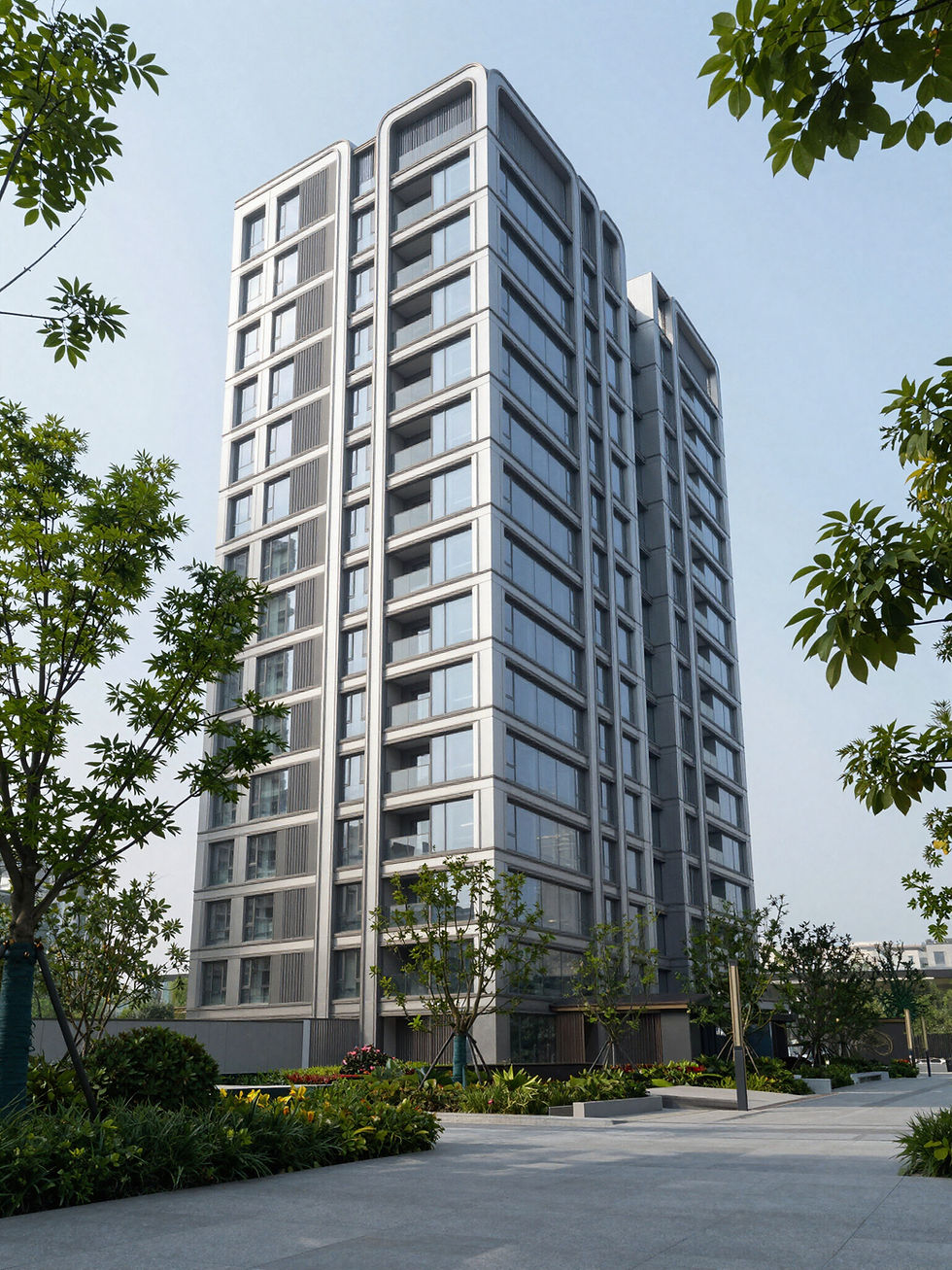
Ordinance and law coverage is a critical component of a comprehensive multifamily insurance strategy. Specifically designed for apartment building owners, this code upgrade insurance addresses the significant financial gap between standard replacement cost coverage and the actual cost of rebuilding to meet modern municipal standards.
Older multifamily buildings often create unique reconstruction challenges. While a standard policy might cover the cost to replace the structure as it was originally built, it may not cover the mandatory modernization required by current local governments—leaving investors vulnerable to heavy out-of-pocket expenses after a fire or other major disaster.
Key Risks Without Ordinance and Law Coverage
- Total loss risks when rebuilding after fires
- Partial demolition requirements for undamaged sections
- Significant building code compliance gaps
- Increased construction and high-grade material costs
- Expensive permitting and strict inspection delays
- Forced modernization requirements by local municipalities
Why Ordinance and Law Coverage Matters for Apartment Owners
Common Mandatory Code Upgrades
- Automatic fire sprinkler system retrofits
- ADA accessibility signage and ramp improvements
- Complete electrical rewiring and life-safety panel upgrades
- Advanced fire suppression and interconnected alarm systems
- Building egress modifications and stairwell reinforcements
- Seismic upgrades and structural reinforcement requirements
Many multifamily buildings across Utah were constructed under older versions of the International Building Code. Over time, requirements for structural integrity, fire safety, and accessibility have evolved, meaning the reconstruction of an existing building is almost always significantly more expensive than the original construction.
When a loss occurs, local building departments often enforce a 'substantial improvement' rule. If damage hits a certain percentage of the building value, the entire property—even the undamaged sections—may be required to be brought up to current code or even demolished to start over.
The Three Parts of Ordinance and Law Coverage
Coverage A – Loss to the Undamaged Portion
If a fire destroys 60% of an apartment and local code requires the remaining 40% to be torn down, this coverage pays for the value of that undamaged 40% that is now lost.
Coverage B – Demolition Cost Coverage
This provides the necessary funds to tear down and haul away the undamaged portions of a building that must be removed per municipal ordinance before new construction starts.
Coverage C – Increased Cost of Construction
The core of multifamily ordinance and law coverage. This pays for the actual upgrades—like new elevators, HVAC systems, or sprinklers—required to meet current code during rebuilding.
Real-World Multifamily Code Upgrade Claim Example
Consider a 1970s apartment complex that suffers significant fire damage to 45% of the structure. While standard insurance would pay to fix those units, the local municipality determines the entire building must be brought up to 2024 seismic and fire safety standards. Without ordinance and law coverage, the owner is hit with a $400,000 modernization bill not covered by basic property policy.
- Immediate mandatory demolition requirements for structural safety.
- Reconstruction delays while architectural plans are revised for code.
- Surge in code upgrade expenses for plumbing and insulation.
- Vulnerability to tenant displacement and loss of rental income.

Why Code Upgrade Risk Is Growing for Multifamily Owners
The multifamily market is currently facing a 'perfect storm' of increased building code upgrade coverage needs. Aging apartment inventory, built decades ago, now sits in jurisdictions that have significantly strengthened fire and seismic regulations. Reconstruction is no longer as simple as 'replacing what was there.'
Beyond regulatory changes, inflation and supply chain pressures continue to drive up the cost of compliant construction materials. From higher energy-efficiency insulation to advanced fire-rated glass, the gap between yesterday's building and tomorrow's code requirement is wider than ever.
How Ordinance and Law Coverage Interacts With Other Multifamily Coverages
Loss of Rents Connection
Rebuilding to modern code takes significantly longer. Ordinance and law increases reconstruction time, making it essential to coordinate with your loss of rental income coverage limits.
Replacement Cost Valuation
Standard replacement cost pays for 'like kind and quality.' Ordinance and law coverage covers the 'new and better' building required by law, filling the crucial valuation gap.
Lender Compliance
Most commercial lenders and loan covenants for multifamily assets require building code insurance to protect their collateral against total loss scenarios caused by municipal orders.
Fire Insurance Claims
Fire is the leading trigger for code upgrade requirements. Ensuring these coverages link properly is the backbone of any robust apartment reconstruction insurance policy.
Ordinance and Law Coverage FAQs for Apartment Owners
What is ordinance and law coverage?
It is a commercial insurance enhancement that covers the costs to rebuild or upgrade a building to current codes after a covered loss. It addresses demolition, valuation of undamaged parts, and the higher material/labor costs associated with modern requirements.
Does standard property insurance cover code upgrades?
Typically, no. Most basic property policies for multifamily buildings pay only for 'replacement of like kind and quality.' This means if current laws require a better or different system than was originally installed, the owner pays the difference.
Is ordinance and law coverage required by lenders?
Yes, the vast majority of commercial multifamily lenders require it. This ensures the borrower has enough liquidation and funding to rebuild a operational property that can generate rental income to service the debt.
Protect Your Multifamily Investment Against Unexpected Rebuilding Costs
Make sure your apartment properties are prepared for modern building code requirements after major losses.
Utah Multifamily Insurance focuses exclusively on apartment and multifamily risks across Utah, helping owners, investors, and property managers navigate complex building code and reconstruction issues.
Related Multifamily Insurance Topics
Explore more in-depth guides on key multifamily coverages: